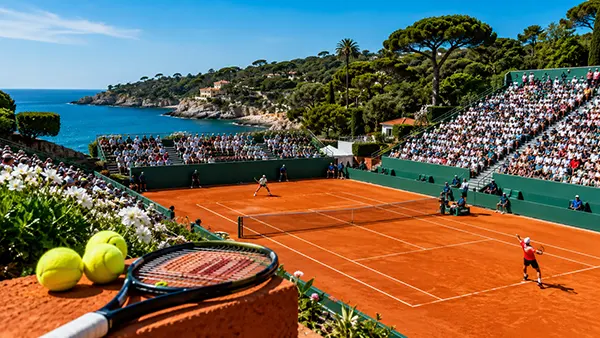
The Return of Estoril Open to the ATP Calendar: Why the July Tournament Matters for Clay-Court Tennis
The return of the Estoril Open to the ATP calendar has attracted significant attention across the tennis community. After periods of uncertainty regarding its place on the professional circuit, the Portuguese event once again offers players an important competitive opportunity on clay courts during a part of the season that traditionally lacks major clay-court tournaments. As professional tennis continues to balance different surfaces and increasingly demanding schedules, the presence of Estoril strengthens the European clay-court landscape and provides meaningful benefits for players, organisers, and fans alike.
A Strategic Place in the Modern ATP Schedule
The ATP calendar has become increasingly crowded, with tournaments competing for optimal dates and player participation. The reintroduction of the Estoril Open in July helps fill a gap in the schedule by providing an additional high-level clay-court event during a period when most attention often shifts towards grass or hard courts. This gives players greater flexibility when planning their seasons.
For competitors who perform best on clay, the tournament creates valuable opportunities to earn ranking points without immediately transitioning to another surface. Many players struggle when forced to adapt rapidly between court types, making additional clay events particularly useful for maintaining consistency throughout the year.
The location of Estoril also contributes to its appeal. Portugal has developed a strong reputation for hosting professional sporting events, and the tournament’s proximity to major European training centres makes participation relatively convenient for players travelling across the continent.
Benefits for Players Outside the Top Rankings
While elite stars often dominate headlines, ATP tournaments play a crucial role for competitors ranked outside the world’s top twenty. The Estoril Open offers these players a realistic opportunity to progress through the draw and collect valuable ranking points that can influence their careers.
Mid-ranked professionals frequently face difficult draws at Masters 1000 events and Grand Slams. A tournament such as Estoril provides a different competitive environment where emerging talents can gain experience in later-round matches against strong opposition.
The event also helps younger players transition from Challenger-level competition to the ATP Tour. Successful performances can improve confidence, increase visibility among sponsors, and create momentum heading into the latter stages of the season.
Strengthening the Future of Clay-Court Tennis
Clay remains one of the most technically demanding surfaces in professional tennis. Longer rallies, greater emphasis on movement, and the need for tactical patience make clay-court events essential for developing complete players. The return of Estoril reinforces the importance of maintaining a healthy number of tournaments on this surface.
Many coaches argue that modern players benefit significantly from clay-court competition because it encourages point construction and defensive skills that may not be required to the same extent on faster courts. Additional ATP events on clay therefore contribute to broader player development.
From a sporting perspective, variety in surface distribution helps preserve competitive balance. A calendar dominated by one surface would favour certain playing styles, whereas events such as Estoril ensure that different skill sets continue to be rewarded across the season.
Why July Is an Interesting Window for the Event
Scheduling the tournament in July creates unique competitive circumstances. Players returning from grass-court campaigns may use the event to regain rhythm on clay, while others may view it as an opportunity to prepare for later tournaments on similar surfaces.
The timing also increases the likelihood of diverse player fields. Some competitors focus on ranking improvement, others seek match practice, and several rising talents use ATP 250 events to establish themselves against more experienced opponents.
For spectators, this often results in unpredictable draws and compelling matches. Unlike tournaments where a small group of favourites dominates expectations, July events frequently produce breakthrough performances and unexpected stories.

Economic and Sporting Impact for Portugal
The Estoril Open is more than a professional tennis tournament; it is also an important sporting asset for Portugal. International broadcasts, visiting athletes, support teams, and travelling fans generate economic activity that extends beyond the tennis courts themselves.
Major sporting events contribute to tourism by showcasing destinations to global audiences. Estoril’s coastal setting and established infrastructure make it particularly attractive for visitors who combine tournament attendance with broader travel experiences throughout Portugal.
The tournament also supports local tennis development. Young Portuguese players gain the opportunity to observe world-class professionals up close, while national federations can use the event to promote participation and inspire future generations.
The Long-Term Value of ATP Events in Emerging Markets
Although Portugal has an established sporting tradition, the continued growth of professional tennis depends on maintaining strong events across a wide range of countries. The return of Estoril demonstrates that ATP tournaments can thrive outside the largest tennis markets when supported by strong organisation and local enthusiasm.
Regional tournaments play a critical role in expanding the sport’s reach. They allow fans who may not regularly attend Grand Slams or Masters events to experience elite-level tennis while helping sponsors and governing bodies engage new audiences.
Looking ahead to the remainder of the decade, the Estoril Open’s place on the ATP calendar represents more than the revival of a single tournament. It highlights the ongoing importance of clay-court tennis, strengthens opportunities for players at different stages of their careers, and reinforces Portugal’s position within the international tennis landscape.